
Over the past 18 months, it’s been incredible to watch how healthcare is evolving right in front of us. What used to be a system almost entirely focused on reacting to problems is now beginning to shift toward something very different – a proactive, longevity-driven approach to health.
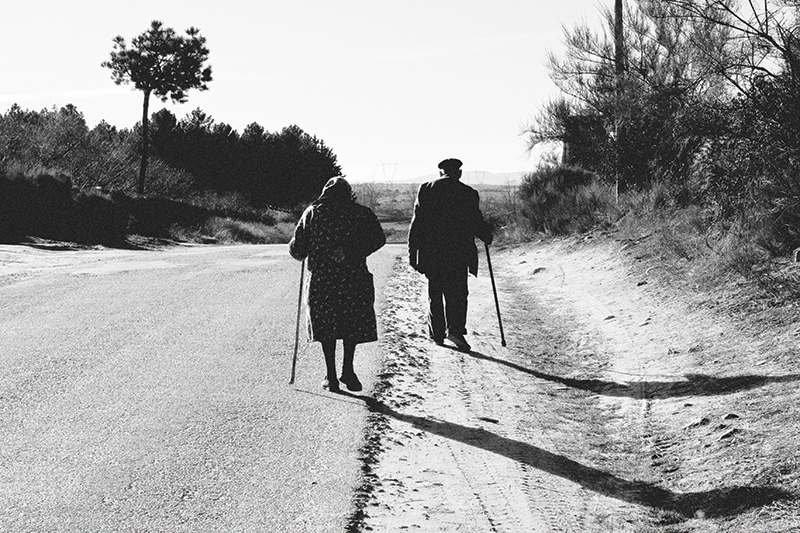
Not long ago, many people would openly say they had no desire to live to 100. The assumption was that extended lifespan meant extended suffering – frailty, dependence, and a diminished quality of life. But today, that narrative is changing. We’re now seeing more and more individuals in their 80s, 90s, and even beyond staying active, independent, and engaged – traveling, exercising, and keeping up with their families in ways that were once considered unrealistic.
When I look at the individuals who are thriving – not just aging, but truly thriving – there’s one common thread that stands out above everything else: mindset. Mindset is the differentiator. At a recent longevity event, keynote speaker Joe Sweeney said something that stuck: “Once your regrets outweigh your goals – you’ve lost.” It’s a powerful statement, and it highlights something deeper than just physical health. It speaks to purpose.
This aligns closely with findings from the well-known Blue Zones research, which identified that some of the longest-living populations in the world shared a common trait – they had a reason to get up each day. A role. A responsibility. A sense of purpose. Sometimes it was something as simple as tending a garden or contributing to their family in a meaningful way. But that purpose drove consistency, movement, and engagement with life.
What’s becoming increasingly clear is that the tools to support this kind of lifestyle are improving at an incredible pace. Longevity and regenerative therapies are no longer fringe concepts or anecdotal experiments. They are grounded in real science, producing real outcomes for real people.
Traditional medicine and insurance-based care are familiar, widely accepted, and still serve an important role – especially in acute care and emergency situations. But if the long-term strategy is to wait for decline, manage symptoms, and react after the fact, then that model will continue to produce exactly those outcomes.
On the other hand, if the goal is to maintain independence, optimize performance, and arrive at 80 feeling closer to 60 – or even 40 – then a different approach is required. That approach includes proactive care, longevity-focused strategies, and regenerative therapies designed to improve function rather than simply manage dysfunction. This is the “automobile.”It represents a faster, more efficient, and more forward-thinking path to health.
The challenge is that most people wait until a shift is fully validated before they embrace it. But history shows us that those who benefit the most are often the ones who recognize the shift early and act on it. So the question becomes: Will you continue with what’s familiar…or are you ready to move toward what’s next?
Dr. Jake Berman, PT, DPT, is a physical therapist and the owner of Berman Physical Therapy, where they focus on treating the actual problem causing your symptoms (pain) to help you avoid taking pain pills and dangerous surgeries. So, if you’re tired of feeling “old” and you are looking for another way to keep active and mobile, call Dr. Berman at 239.431.0232 to take advantage of a FREE 30-minute taster session!